
Uncategorized
How to Select Intimate Lubricant for Your Needs
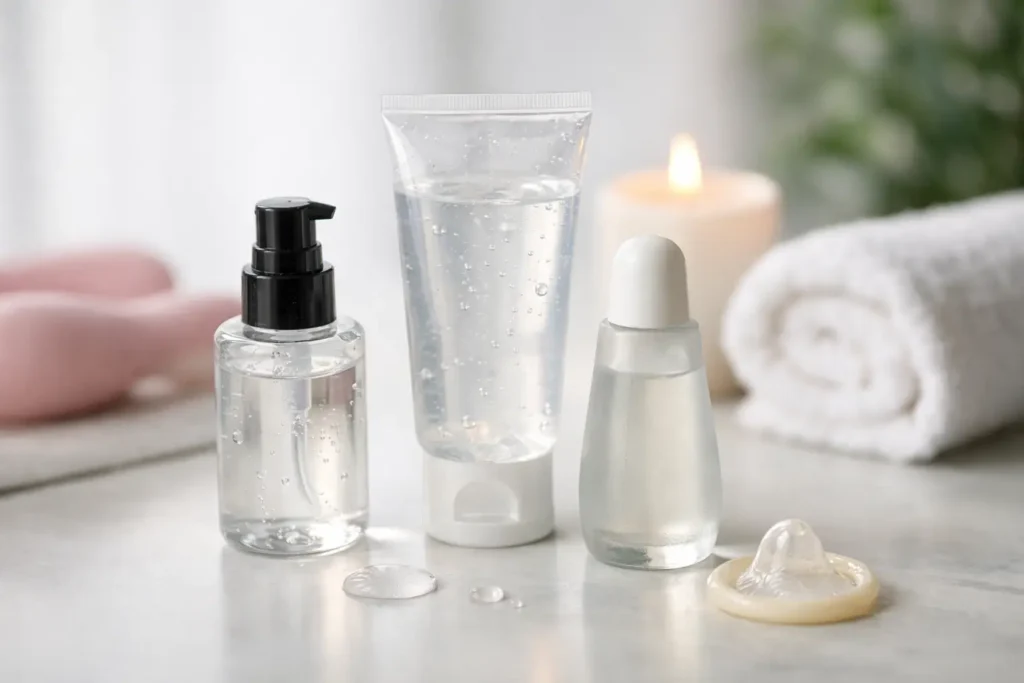
Sep
Dryness, friction, and discomfort can turn a moment that should feel good into one you want to end quickly. Learning how to select intimate lubricant gives you a fast, practical way to shop for more comfort, whether you are choosing for solo use, partnered sex, menopause-related dryness, or use with toys. The best option is not automatically the most expensive bottle or the one with the flashiest claims. It is the formula that works with your body, your protection method, and your plans.
Lubricant is a personal-care essential, not a luxury item. A little extra slip can reduce friction and help prevent irritation. Start with the basics, check the label, and buy a formula designed for the kind of intimacy you actually enjoy.
How to Select Intimate Lubricant by Formula
The base of a lubricant determines how it feels, how long it lasts, how easy it is to clean up, and what it can safely be used with. Most products fall into four main categories: water-based, silicone-based, oil-based, and hybrid.
Water-based lubricant: the flexible everyday choice
Water-based lubricant is usually the easiest place to start. It is compatible with latex and polyisoprene condoms, works with most sex toys, and washes away with water. The texture tends to feel light and natural, making it a practical choice for vaginal sex, anal play with reapplication, and toy use.
The trade-off is that it can dry out sooner than other formulas, especially during longer sessions. Keep it nearby and add more as needed. If you are prone to irritation, look for a simple, fragrance-free water-based formula without warming effects, flavors, or unnecessary additives.
Silicone-based lubricant: long-lasting glide
Silicone lubricant stays slick longer than water-based options and is often a strong choice when you want less reapplication. It is waterproof, so it can be useful in the shower or bath, and it is generally compatible with latex condoms. Many people also prefer its lasting glide for anal sex, where the body does not create natural lubrication in the same way.
The key caution is toys. Silicone lubricant can damage some silicone toys, causing the surface to become tacky or degrade over time. Check the toy maker’s care guidance before combining the two. Silicone formulas may also require soap and water rather than a quick rinse to fully remove.
Oil-based lubricant: effective, with important limits
Oil-based lubricants can feel rich, smooth, and long-lasting. They may appeal to people who dislike the quick-drying feel of some water-based products. But they are not a match for latex condoms. Oils can weaken latex and raise the chance of breakage, so choose a water- or silicone-based formula if latex condoms are part of the plan.
Oil can also be harder to clean from sheets, clothing, and the body. For vaginal use, some people find oils upsetting to their natural balance. If you are susceptible to recurring infections or irritation, a simpler water-based product is often the more cautious choice.
Hybrid lubricant: a middle ground
Hybrid lubricants combine water with a small amount of silicone. They can offer more staying power than a standard water-based formula while remaining easier to wash away than full silicone products. Compatibility varies, particularly with silicone toys, so do not assume a hybrid is automatically safe for every material. Read the label and your toy’s instructions before use.
Match the Lubricant to Condoms and Toys
A great-feeling product is not the right purchase if it does not work with your condoms or toys. This label check takes seconds and can prevent a frustrating, expensive mistake.
For latex condoms, skip oil-based lubricants. Water-based and silicone-based products are typically the reliable choices. If you use non-latex condoms, such as polyisoprene or polyurethane, check the condom packaging for its specific lubricant guidance. Materials differ, and the product label should always have the final say.
For toys, water-based lubricant is the safest all-purpose starting point. Silicone toys often pair best with water-based formulas. Glass, stainless steel, and many hard plastic toys are generally more flexible, but you should still check the manufacturer’s recommendations. If you are unsure what material a toy is made from, use water-based lubricant until you can confirm it.
Choose Comfort Over Gimmicks
Warming, cooling, tingling, flavored, and scented lubricants can sound fun, but they are not ideal for everyone. The ingredients that create those sensations can cause stinging or irritation, particularly on sensitive skin or delicate genital tissue. A product can be marketed as exciting and still be a poor fit for your body.
If comfort is your main priority, choose a plain, unscented formula. Look for language such as fragrance-free and designed for sensitive skin, then review the ingredient list. Fewer extras can be a smart move if you have had reactions to personal-care products before.
Pay attention to how your body responds, not just what the bottle promises. Stop using a lubricant if you experience burning, itching, rash, swelling, or persistent discomfort. Wash the area gently with water and consider speaking with a health professional if symptoms are severe, do not improve, or keep returning.
Consider pH, Osmolality, and Dryness Concerns
You do not need a chemistry degree to buy lubricant, but two label details can be useful if you are dealing with frequent irritation. Vaginal pH is naturally acidic, while the rectal environment is different. Products marketed for vaginal use may be formulated with vaginal comfort in mind, while formulas intended for anal use often focus on longer-lasting lubrication.
Osmolality refers to how concentrated a lubricant is. Highly concentrated formulas can pull moisture from tissue and may feel drying or irritating for some people. If a water-based lube repeatedly becomes sticky or uncomfortable, try a different formula rather than assuming lubricant is not for you.
For dryness linked to menopause, postpartum changes, certain medications, or hormonal shifts, lubricant can help during sex, but it may not solve ongoing everyday dryness. A vaginal moisturizer is a separate product designed for regular use, not just intimacy. Persistent pain, bleeding, or sudden changes deserve medical advice rather than trial-and-error shopping alone.
Pick the Right Size and Style for Real Life
A small bottle is smart when you are testing a new formula or need something discreet for travel. A larger pump bottle can be better value if you already know what works for you. Pumps are convenient with one hand and help limit spills, while flip-top bottles are easy to pack.
Do not ignore cleanup. Water-based lube is usually the simplest option if you want minimal residue on skin and bedding. Silicone and oil formulas may be worth the extra wash-up when long-lasting performance matters more than speed.
Store lubricant in a cool, dry place and check the expiration date. Avoid leaving it in a hot car, direct sunlight, or a humid bathroom for long periods. If the smell, color, or texture changes noticeably, replace it.
A Quick Shopping Check Before You Buy
Before adding lubricant to your cart, ask yourself what you will use it with, whether you need condom compatibility, and how sensitive your skin tends to be. For a first purchase, a fragrance-free water-based lubricant is often the simplest, most versatile choice. If you want longer-lasting glide or plan to use it in water, silicone may be worth considering after confirming toy compatibility.
Allcura Health makes it easier to stock personal-care essentials discreetly alongside the everyday items you already need. Choose the formula that fits your routine, keep it within reach, and give your body permission to expect comfort every time.
