
Uncategorized
How to Build a Home Pharmacy Kit
Jun
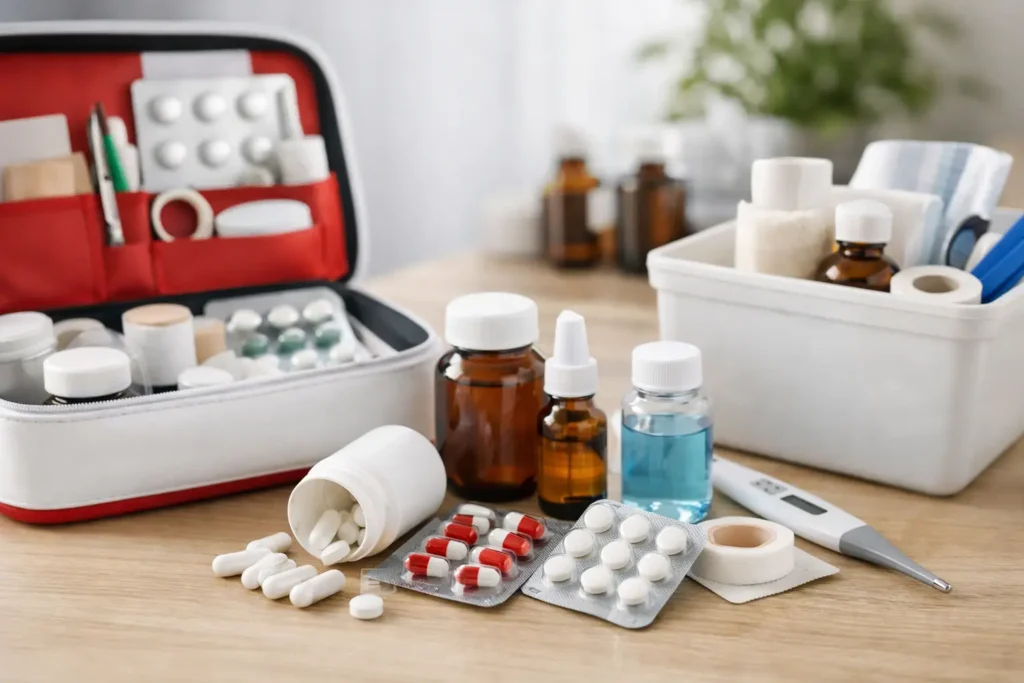
A headache at 10 p.m. is annoying. A fever, cut, cough, or upset stomach when your cabinets are empty is worse. If you want to know how to build home pharmacy kit supplies that actually help in real life, the goal is simple – cover the most common problems before they show up.
A good home pharmacy kit is not about stuffing a drawer with random bottles. It is about keeping the right over-the-counter basics in one place, checking expiration dates, and making sure your household can handle everyday health issues without a last-minute store run. For busy households, that means faster relief, less stress, and fewer gaps when you need something now.
How to build home pharmacy kit basics
Start with the situations that happen most often. Most people do not need a giant stockpile. They need a smart mix of pain relief, cold and flu support, first aid, digestive care, and a few personal essentials that get used regularly.
Think about your home, not someone else’s. A household with kids, athletes, allergy sufferers, or frequent travelers will need a different setup than a single adult who mostly wants the basics. That is where many people get it wrong – they buy what looks complete instead of what they will actually use.
Your first step is choosing a storage spot. Pick one area that is cool, dry, and easy to reach but out of reach of children and pets. A bathroom medicine cabinet sounds convenient, but steam and humidity can shorten product life. A bedroom closet shelf, hallway cabinet, or linen closet often works better.
Once you have the location, organize by use. Keep pain and fever relief together, first aid together, and cough or cold products together. When someone feels sick, nobody wants to search through ten half-open boxes.
Stock the everyday essentials first
The core of a home pharmacy kit should handle the issues that interrupt normal life most often. Pain relievers and fever reducers belong at the top of the list. Acetaminophen and ibuprofen are common choices for adults, but the right option depends on age, health conditions, and other medications. If you are buying for a household, it may make sense to keep both on hand so you have flexibility.
For cough, cold, and flu symptoms, think in terms of symptom relief instead of one magic product. A decongestant may help with stuffiness. A cough syrup may help with a persistent cough. Throat lozenges, saline spray, and a thermometer also earn their place quickly once cold season starts. If allergies are common in your home, add an antihistamine and any other non-prescription allergy support you use regularly.
Digestive problems are another category people forget until they need it fast. Antacids, anti-diarrheal support, nausea relief, and constipation remedies can all be useful, but you do not need every format on the shelf. Choose what matches your household’s habits and health needs. If spicy food, travel, or stress regularly trigger stomach issues, this section of your kit matters more than you might think.
Skin and personal care basics belong here too. Hydrocortisone cream, antifungal cream, lip balm, sunscreen, and a gentle moisturizer can solve minor issues before they become bigger annoyances. If your household deals with dry skin, razor bumps, chafing, or minor rashes, keep those solutions close.
Build a first aid section that covers the small stuff
A home pharmacy kit should absolutely include first aid. Most minor injuries do not require much, but they do require the right basics at the right moment.
Bandages in a few sizes, sterile gauze, medical tape, antiseptic wipes, antibiotic ointment, tweezers, and disposable gloves are a solid start. Add instant cold packs if your household is active or you have kids. A digital thermometer is essential, not optional.
You may also want an elastic bandage for minor sprains, especially if someone in the house exercises regularly. If you burn yourself cooking more often than you would like to admit, burn relief products are worth keeping. The point is not to turn your house into a clinic. It is to be ready for the common cuts, scrapes, bumps, and mild burns that happen in normal life.
Don’t forget household-specific needs
This is where your kit becomes truly useful. Generic lists can help, but the best setup reflects your actual routine.
If you have children, use age-appropriate products only and store dosing tools with them. If you care for older adults, keep easy-open packaging and products that support common needs like joint discomfort, dry skin, or digestive issues. If someone in your home gets frequent seasonal allergies, make room for allergy products before peak season hits.
Some households also want privacy-focused wellness products on hand, especially for sexual health, personal care, or other routine needs people prefer to handle discreetly. Others may want supplements, sleep support, or skin care treatments as part of their regular home setup. That is reasonable – as long as the kit stays organized and does not become a random catch-all for every impulse purchase.
Buy smart, not big
When people think about how to build home pharmacy kit supplies, they often overbuy. That usually leads to expired products, duplicate items, and wasted money.
A better move is to start with one product per need, then build out only if you have a reason. You do not need five pain relievers with nearly identical uses. You do not need three cough syrups unless different people in your home prefer different formulas. Buy the essentials first, then add specialty items based on real use.
It also pays to think about product forms. Some people prefer tablets, others want liquids, powders, sprays, or softgels. Convenience matters because if no one wants to use what you bought, it is not really part of your kit. The right choice is the one your household will actually reach for.
If you shop online, this is where a broad selection helps. Being able to grab pain relief, cold support, digestive care, skin essentials, and personal wellness products in one order saves time and makes it easier to build a complete kit without bouncing between stores. For shoppers who want speed and discretion, that convenience is the whole point.
How to store and maintain your home pharmacy kit
Learning how to build home pharmacy kit storage is only half the job. Keeping it useful is what matters.
Check expiration dates every few months. Toss damaged packaging, dried-out creams, and anything expired. Replace items before cold and flu season if you know they get heavy use in your household. If a product is opened and has specific storage or disposal instructions, follow them.
Keep everything in original packaging when possible. That makes directions, warnings, and active ingredients easy to check. If two people in your home take regular medications, avoid mixing those with everyday over-the-counter products unless your system is very clearly labeled.
A simple container system works well. Use small bins or pouches labeled pain and fever, first aid, cold and flu, stomach, and skin care. It takes almost no extra effort, and it prevents the familiar problem of buying another product because you could not find the one you already had.
What not to include
A home pharmacy kit should be practical, not risky. Avoid storing products you do not understand, expired medications, or items that are no longer appropriate for your household. More is not always better.
Be careful with duplicate products that contain the same active ingredients. This is especially common with cold and flu items. Different packaging can make products look separate even when they overlap. If you are not sure, read the label before adding it to your shelf.
It is also smart to avoid storing your kit in a place where heat, moisture, or direct sunlight can affect quality. Convenience matters, but not at the expense of effectiveness.
A simple setup that works
The best home pharmacy kit is the one that handles normal life without making you overthink it. Cover pain, fever, cough, cold, stomach issues, first aid, and skin care first. Then add products that fit your household, your habits, and the things you deal with most often.
If your cabinet is empty now, do not wait for the next sick day or kitchen mishap to fix it. Build it in one pass, keep it organized, and restock before you run out. Allcura Health makes that process easier by putting everyday pharmacy basics, personal care, and wellness essentials in one place – no prescription needed.
A ready home pharmacy kit will not prevent every problem, but it can make the small, annoying ones much easier to handle when they show up at the worst possible time.
