Uncategorized
8 Best Skincare Kits for Beginners
Jun
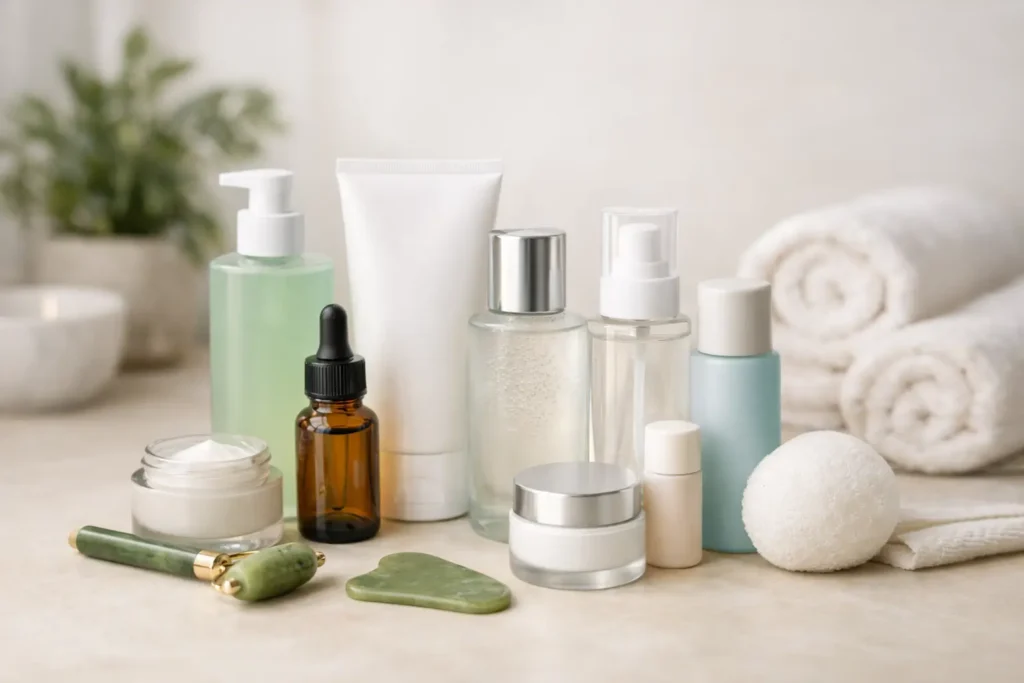
Starting skincare can get expensive fast if you buy one product at a time, guess your skin type wrong, and end up with a bathroom shelf full of half-used bottles. That is why the best skincare kits for beginners make so much sense. They cut the guesswork, keep the routine simple, and help you start with products that are meant to work together.
For most beginners, the goal is not a 10-step routine. It is clear skin, less irritation, and a setup you can actually stick with before work, after the gym, or right before bed. A good starter kit gives you the basics without turning skincare into a part-time job.
What makes the best skincare kits for beginners?
The best kits keep things simple. That usually means a cleanser, moisturizer, and sunscreen for daytime, with maybe one treatment product added in if the formula is mild enough. If a set is packed with acids, retinol, scrubs, masks, and spot treatments all at once, it may look like a great value, but it is often too much for a new routine.
A strong beginner kit should also have a clear purpose. Some are built for dry skin, some for oily or acne-prone skin, and some for sensitive skin that reacts to almost everything. The more focused the kit, the easier it is to choose. Broad promises like brighter, smoother, firmer, clearer, poreless skin in seven days usually mean the marketing is doing more work than the formula.
Texture matters too. A beginner is far more likely to keep using a routine if the cleanser does not leave skin tight, the moisturizer does not feel greasy, and the sunscreen does not leave a heavy white cast. The best routine is the one you will use consistently.
The 8 best skincare kits for beginners
1. The basic daily routine kit
If you are brand new to skincare, this is the smartest place to start. A basic daily routine kit usually includes a gentle cleanser, a simple moisturizer, and an SPF 30 or higher sunscreen. That is enough to build a real routine without overloading your skin.
This type of kit works well for normal skin and for anyone who does not want to overthink ingredients. It is also the easiest option if your main concern is maintenance rather than a specific issue like acne or redness.
2. The sensitive skin starter kit
Sensitive skin needs less experimentation, not more. A beginner-friendly sensitive skin kit usually sticks to fragrance-free formulas, creamy cleansers, barrier-supporting moisturizers, and mineral or gentle chemical sunscreen options.
This is a strong choice if your skin stings, gets red easily, or reacts to random products without much warning. The trade-off is that these kits may feel less exciting because they are designed to calm skin, not deliver dramatic overnight results. For beginners, that is usually a good thing.
3. The acne-prone skin kit
For shoppers dealing with breakouts, the best skincare kits for beginners often include a cleanser with salicylic acid, a lightweight moisturizer, and a non-comedogenic sunscreen. Some kits also include a spot treatment or a gentle serum aimed at clogged pores.
This kind of set can be helpful, but it depends on how active your acne is. If you only get occasional breakouts, a mild kit is usually enough. If your skin is already irritated, inflamed, or peeling, too many acne-focused products can make things worse. In that case, a gentler routine may be the better first move.
4. The dry skin hydration kit
Dry skin does best with comfort-first formulas. Look for kits with cream cleansers, richer moisturizers, and ingredients like hyaluronic acid, ceramides, glycerin, or squalane. These sets are built to reduce tightness and help skin feel normal again.
Hydration kits are especially useful during colder months or if your skin feels flaky after washing. The main thing to watch is whether the moisturizer is too heavy for daytime use under sunscreen or makeup. Some people do better with a lighter lotion in the morning and a richer cream at night.
5. The oily skin balancing kit
Oily skin still needs moisture. That is where beginners often go wrong. They buy harsh cleansers and skip moisturizer, then wonder why their skin gets shinier by noon.
A good oily skin kit usually includes a gel or foaming cleanser, an oil-free moisturizer, and a lightweight sunscreen. Some also add niacinamide or a pore-targeting serum. These kits can help reduce excess oil without stripping the skin barrier, which is the key difference between a useful routine and one that backfires.
6. The brightening starter kit
If dullness, uneven tone, or post-breakout marks are your main concern, a brightening kit can be a smart entry point. Look for vitamin C, niacinamide, or gentle exfoliating ingredients in moderate strengths, paired with a moisturizer and daily sunscreen.
This type of kit works best for beginners who already have the basics covered and want one extra step. The catch is that brightening takes time. A good kit can help your skin look fresher and more even, but no starter set is going to erase dark spots instantly.
7. The travel-size trial kit
A full-size routine can feel like a commitment, especially if you are not sure what your skin likes yet. Travel-size kits are one of the easiest ways to test a routine without spending more than you need.
They are also practical for people who want skincare that fits in a gym bag, carry-on, or work tote. The downside is value. Ounce for ounce, travel kits usually cost more. Still, for beginners who want to test first and upgrade later, they can be a smart buy.
8. The dermatologist-inspired simple kit
Some of the best beginner sets are the least flashy. They focus on proven basics, skip trendy extras, and keep ingredient lists straightforward. Think cleanser, moisturizer, sunscreen, and maybe one targeted product with a mild active.
This kind of kit is ideal if you want a no-drama routine that feels reliable. It may not come with flashy packaging or buzzy marketing, but it is often the easiest to use consistently, and consistency is where results come from.
How to choose the right beginner skincare kit
Start with your main concern, not with what is trending. If your skin feels dry all the time, choose hydration. If you break out regularly, go with an acne-friendly set. If your skin reacts to almost everything, sensitive skin formulas should come first.
Then look at the number of steps. Three to four products is usually enough for a beginner. More than that can make it hard to tell what is helping and what is causing irritation.
You should also pay attention to active ingredients. Beginners do not need high-strength exfoliants, multiple acids, and retinol all at once. A gentle cleanser, a basic moisturizer, and sunscreen will do more for your skin long term than an overloaded routine you quit after a week.
Price matters, but value matters more. A cheap kit is not a bargain if it leaves your skin red and uncomfortable. On the other hand, a higher-priced set is not automatically better. The real win is finding products you will actually use every day.
Mistakes beginners make with skincare kits
The biggest mistake is using everything on day one. Even if the kit includes several products, you do not have to start all of them at once. Begin with cleanser, moisturizer, and sunscreen. Add treatment products slowly so your skin has time to adjust.
Another common mistake is expecting instant results. Hydration may show up quickly, but acne, texture, and discoloration usually take several weeks to improve. If you switch routines every few days, you never really find out what works.
Over-cleansing is another problem. Washing too often or using harsh formulas can leave skin irritated, shiny, and more reactive. Most beginners do well with cleansing at night and using a gentle rinse or light cleanse in the morning, depending on skin type.
And yes, sunscreen matters. If your kit does not include one, you should add it. A lot of active ingredients make skin more sun-sensitive, and even the best routine can be undermined by skipping daily SPF.
Are all-in-one skincare kits better than buying products separately?
For beginners, often yes. Kits remove a lot of the guesswork and usually pair products that are meant to be used together. That saves time and cuts down on the trial-and-error approach that gets expensive fast.
That said, kits are not perfect for everyone. If you already know you love one cleanser but need a better moisturizer, buying separately may make more sense. The same goes for people with very specific concerns like rosacea, eczema-prone skin, or ingredient sensitivities. In those cases, a custom routine may work better than a prebuilt set.
Still, if you want convenience, speed, and a simpler path to a better routine, beginner kits are hard to beat. They are especially useful when shopping online because they help narrow the field in a category that can feel crowded fast.
Where beginners should start
If you want the easiest answer, start with a three-step kit: cleanser, moisturizer, and sunscreen. Use it for a few weeks before adding anything extra. Once your skin feels stable, you can decide if you want help with breakouts, oiliness, dryness, or uneven tone.
A beginner routine does not need to be impressive. It needs to be easy enough to use every day and effective enough to make you want to keep going. That is why practical, low-stress options tend to be the best place to start, especially when shopping from a convenience-first store like Allcura Health.
Good skincare is not about owning more products. It is about starting with the right ones, keeping the routine simple, and giving your skin a real chance to respond.
